


Daily Organization
Small resets.
Useful routines.
A storage system is used every day, not only when it is first arranged. Choose simple actions that help belongings return to a place that makes sense.

Choose one repeatable reset.
Pick a recurring moment
Use a natural point in the day, such as finishing a task, to return the related items. No fixed duration is required.
Keep the action specific
Choose one surface or category rather than a whole-home reset. Make it clear which items belong and where others should go.
Make the return easier
Check whether a container is overfull or a location difficult to access. Adjust the arrangement instead of adding more rules.
Review what changed
Routines, quantities and household needs change. Revisit the system when it stops making the next action straightforward.
Start with a purpose.
Return after use
Make an item’s destination clear and comfortable to reach. If returning it is consistently awkward, review the setup.
Notice the overflow
A repeated pile can show that a category, location or capacity no longer fits the routine.
Share the system
For shared areas, agree on where things belong. A rule understood by only one person can be difficult to maintain.
Maintenance can be a small adjustment.
The goal is a usable space, not a permanently empty one. A short return-to-place routine can be useful when the storage itself suits the objects and their users.
- Choose one recurring moment.
- Keep the next action obvious.
- Adjust repeated points of friction.

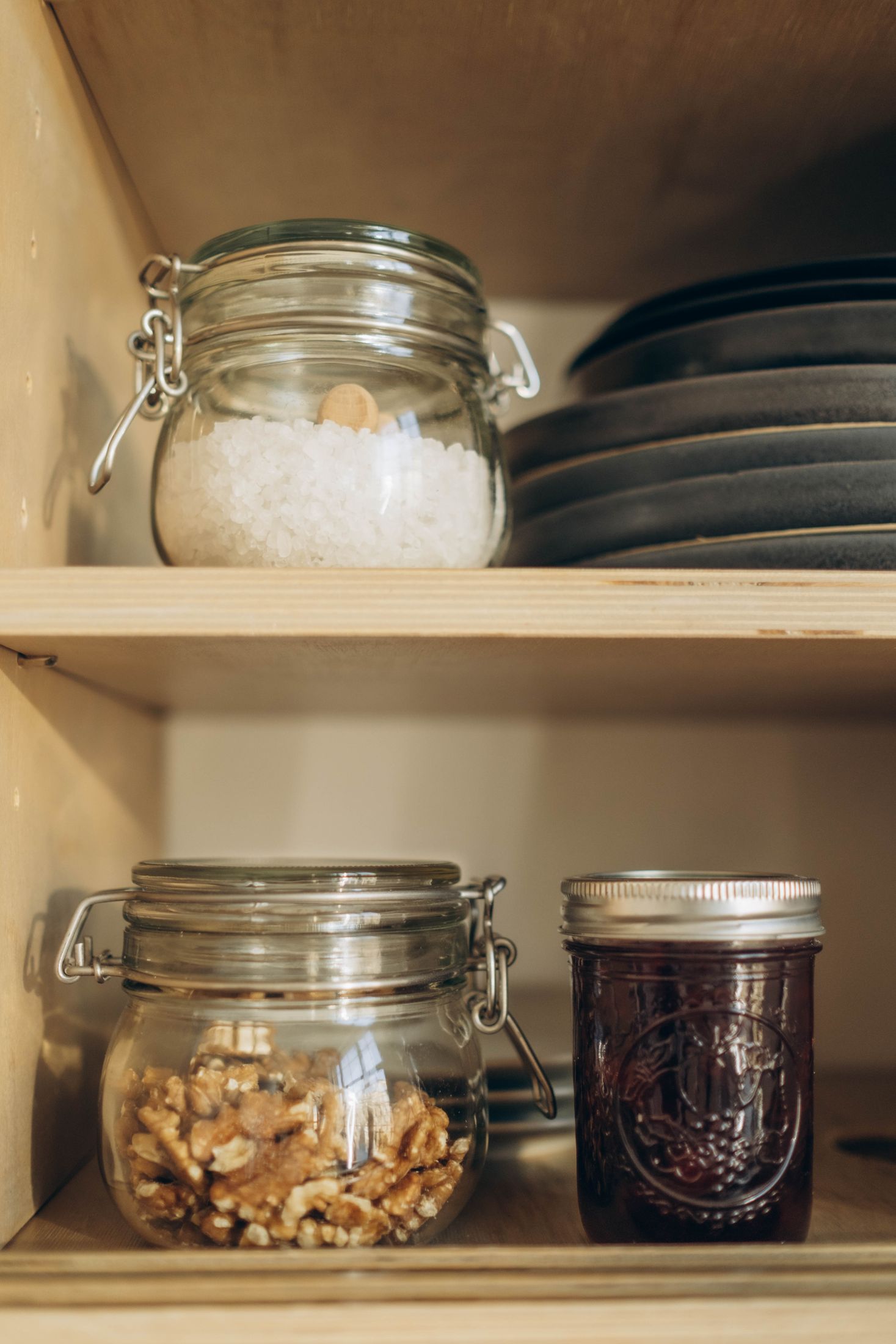

Home organization photography for illustration. Refer to the actual listing for the product, dimensions and package contents.
Good to know.
Does daily organization need a strict timetable?
No. Choose a rhythm that fits the household. A repeatable cue can be more useful than a schedule that is difficult to keep.
What if items never stay in their assigned place?
Review the category, capacity and ease of access. The designated location may not fit the way those objects are actually used.
Find a place for the everyday.
Browse the current collection and review the dimensions, intended use and care information for the item you choose.